【Profile】
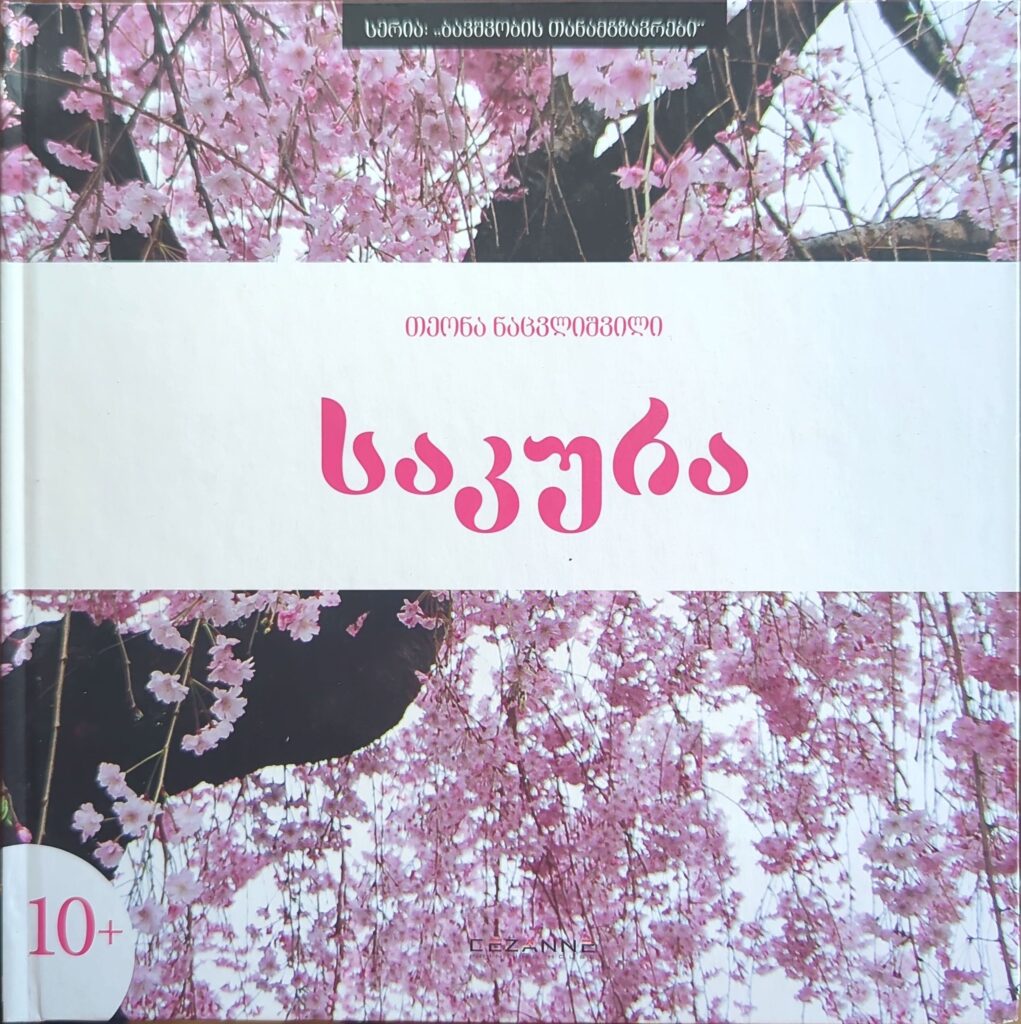
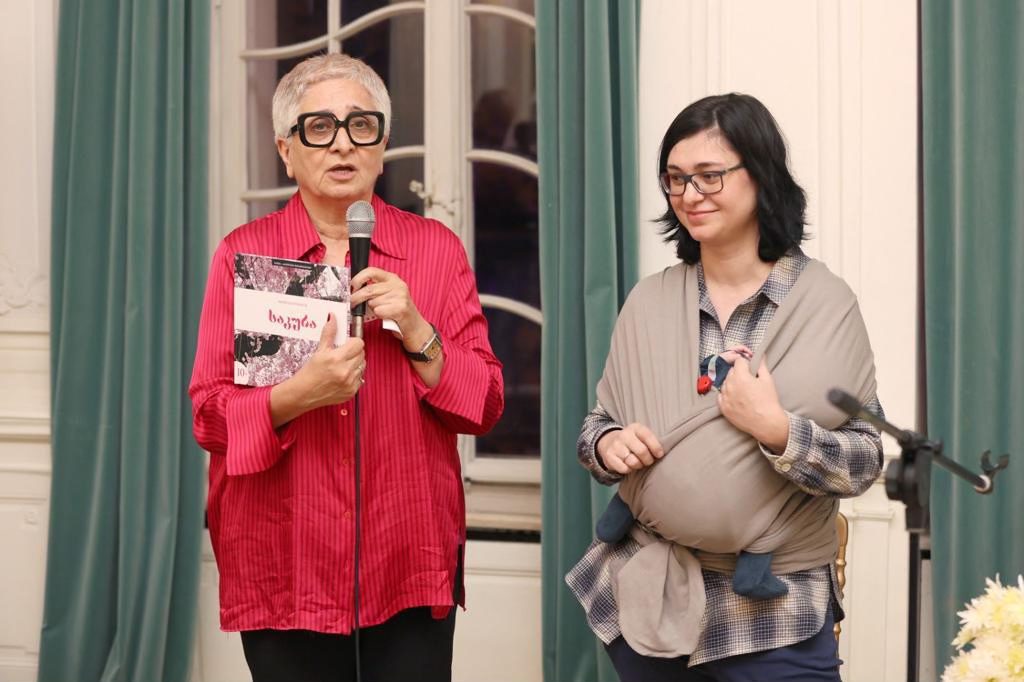
Japanologist, journalist. Worked at the Embassy of Japan in Georgia from 2009 to 2025(Culture and PR / Ambassadors’ personal assistant). Author of the children’s book Sakura. Currently engaged in a doctoral research project on “Georgia–Japan cross-cultural relations in Georgian print media.” Married and with two children.
1.Could you briefly tell us about your past activities between Japan and Georgia?
When the Embassy of Japan was established in Georgia in 2008, I became a member of the team, and since then I worked as an embassy staff member for 16 years. I participated in numerous proud projects, and throughout those years I regarded my main mission as bringing Georgia and Japan closer together. Diplomatic relations between Georgia and Japan have lasted for 33 years. After the opening of Georgia’s embassy in Japan in 2007 and the establishment of Japan’s embassy in Georgia in 2009, bilateral relations deepened significantly. Today, exchanges have expanded greatly across many fields, with increased involvement and mutual interest from people of various professions and activities. I am proud to have been part of this process over the years. Working at the embassy gave me invaluable experience. I will always be grateful to the ambassadors I worked with, who taught me so much. Thanks to them, my admiration for Japan has never diminished.
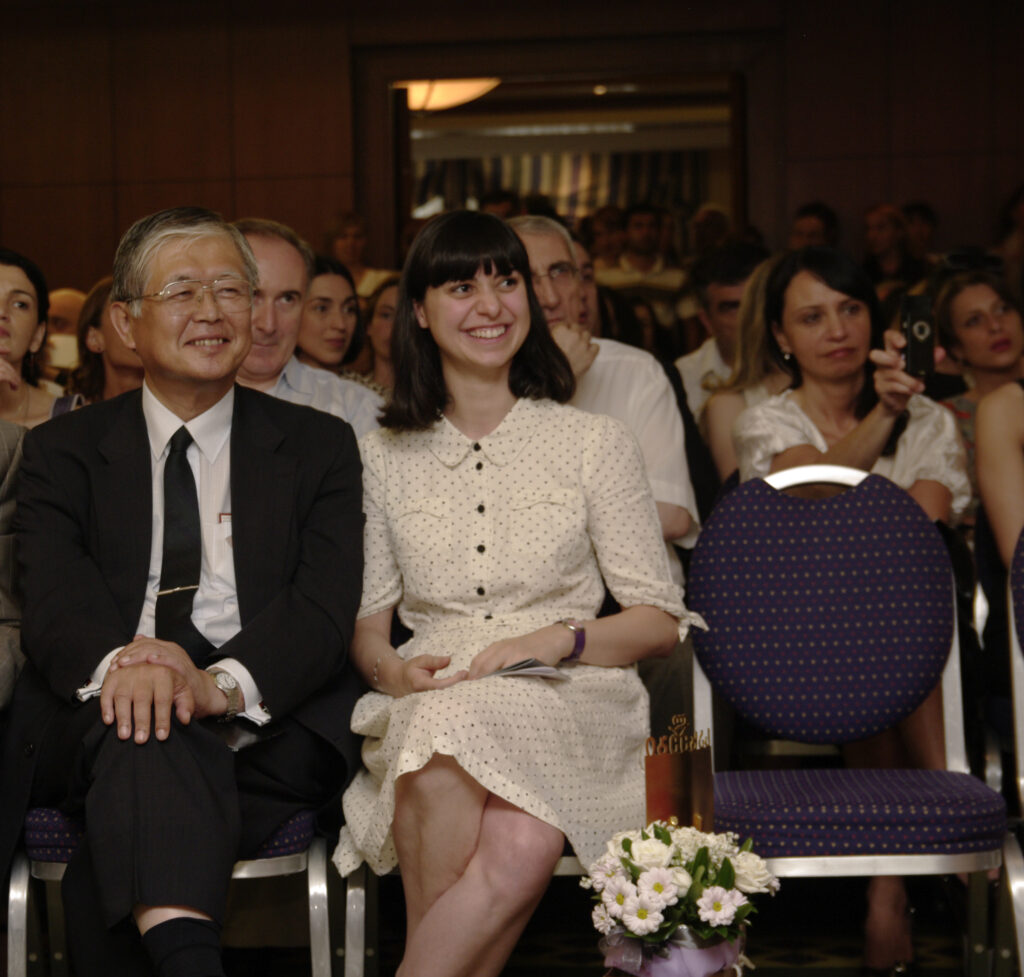
2.What was the reason you started learning Japanese?
I have loved Japanese culture since childhood and had many books and sources of information. However, I clearly remember what made me decide to study the language. My mother gave me a book of short stories by Ryūnosuke Akutagawa. It was in Russian, a two-volume edition. Later I learned that my father had taken it from my grandfather’s library and placed it on his own. While reading those stories, I couldn’t stop thinking that in Japanese, these short yet profoundly meaningful works must have been created with a different linguistic structure. At that moment, I became determined to read them in the original language. This determination led me first to study on my own using self-teaching manuals, and later, as a student of the Faculty of Journalism at Tbilisi State University, I also enrolled in the Faculty of Oriental Studies at the same university.
3.What advice or message would you give to Georgians who are considering working using the Japanese language?
That is a very good question. The first thing everyone should understand is that the Japanese language is not just a foreign language that will help you get a good job. It is impossible to learn Japanese without also learning about Japan, sharing Japanese values, and developing a love for the country. Therefore, I believe that everyone who begins studying Japanese should also get to know Japan itself. This idea led me to create a lecture course for Japanese language students, which not only introduces them to Japan’s culture, history, literature, and society, but also helps them discover Japan as a country—with its traditions, customs, distinctive characteristics, and even cultural shocks.
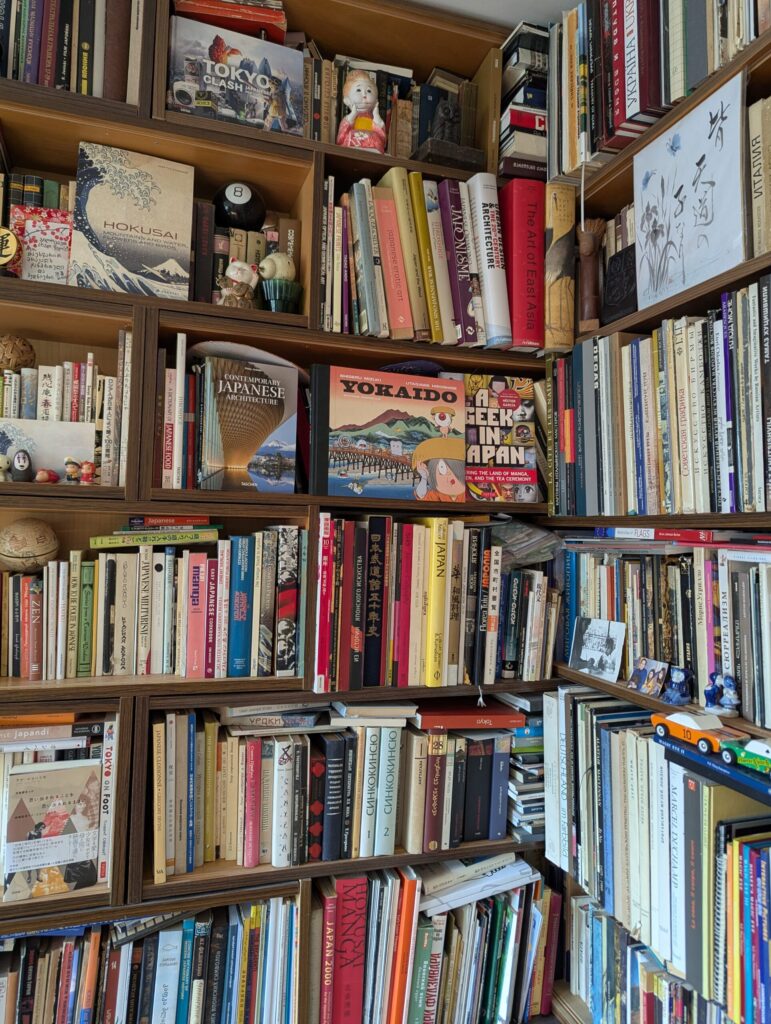
4It is said that you keep many books at home related to Japan and Georgia. Why did you start collecting such literature, and do you have a favorite among them?
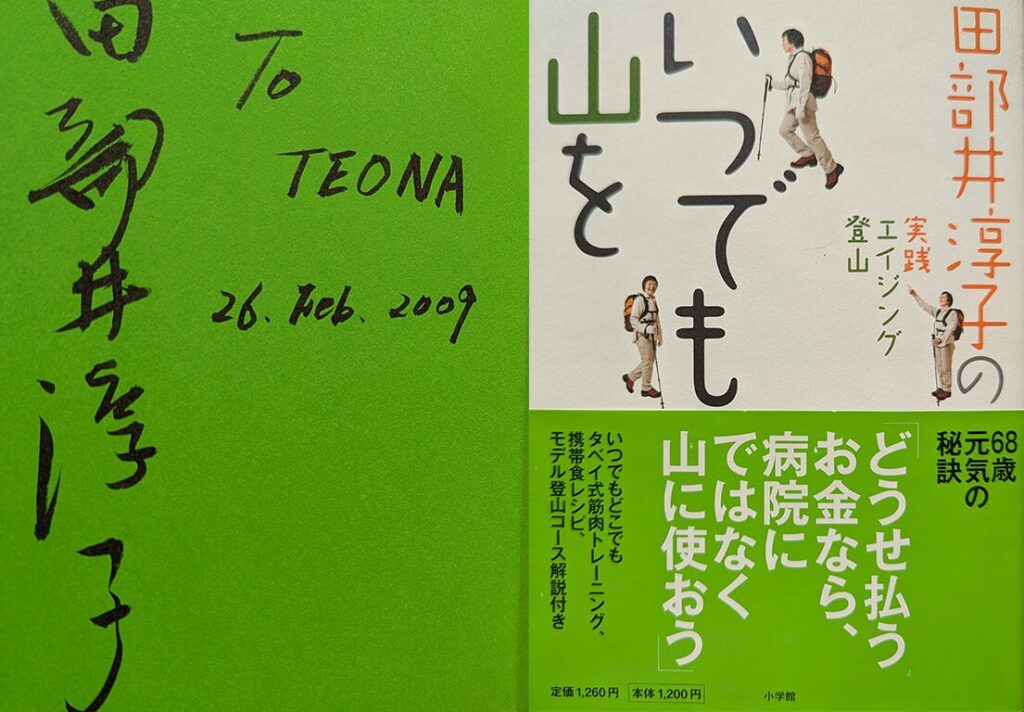
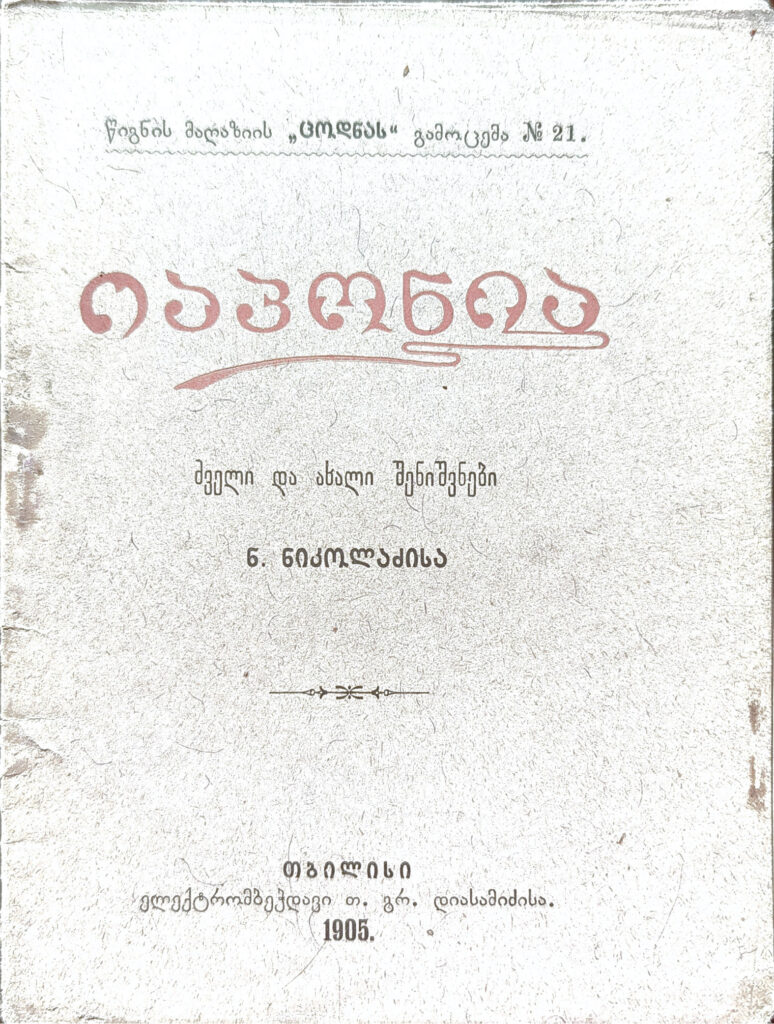
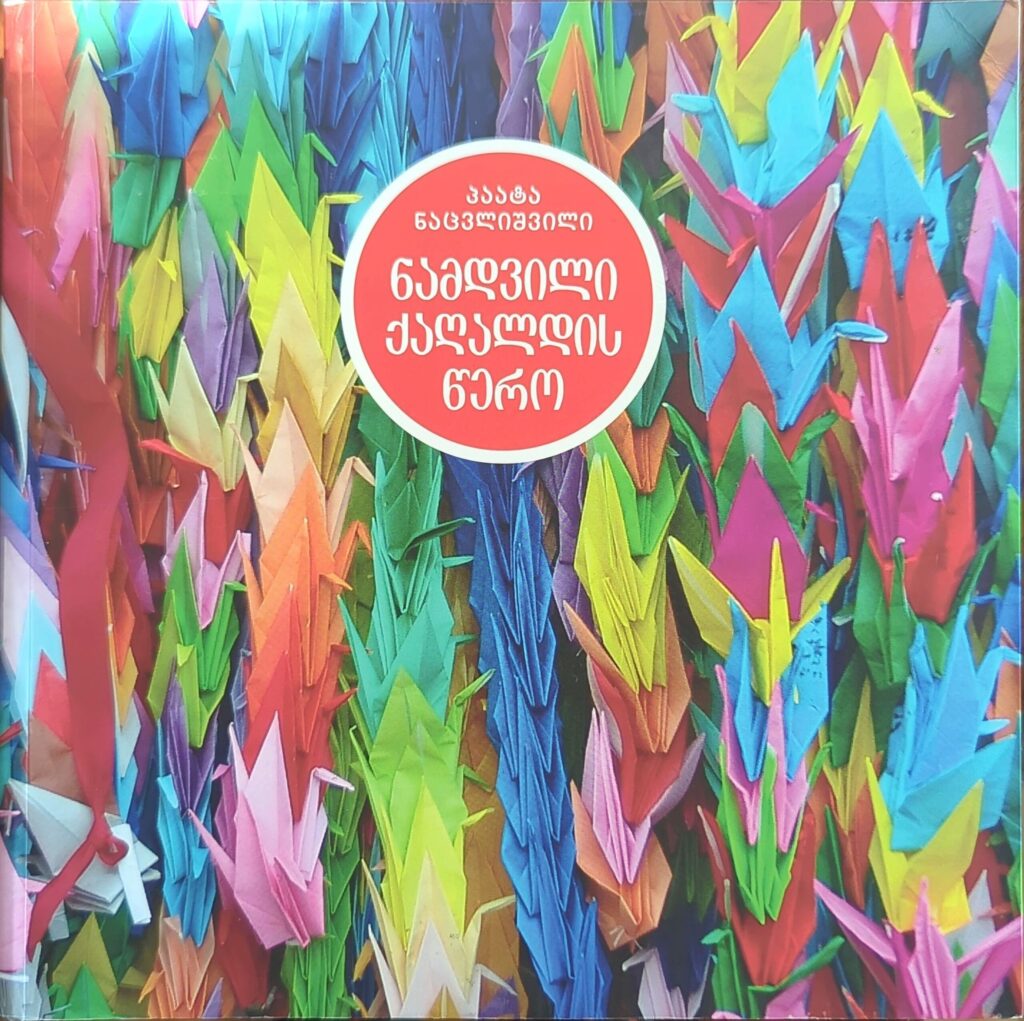
Yes, that’s right. If not the largest, I have one of the most diverse and rich collections related to Japan in Georgia. However, I did not start collecting them myself; most of them came from my father’s library. After I became interested in Japan, these books simply moved from the family library into my personal collection, which has grown richer day by day. It is difficult to single out one book among so many fascinating ones, but some have special significance. For example, Japan by Niko Nikoladze, published in Tbilisi in 1905; books personally autographed by Junko Tabei, the first woman to conquer Everest; and many other rare editions. Yet, the book I am most proud of is The Real Paper Crane by my father, Paata Natsvlishvili. This book was the final result of a project by Japan’s Ministry of Foreign Affairs, which involved my father’s visit to Japan as a renowned journalist and the preparation of publications. I sincerely believe that this book is one of the most important building blocks in the friendship between Georgians and Japanese. I also especially love the books that introduce our two countries to each other, such as translations of Georgian literary monuments into Japanese and Japanese literature into Georgian. I would like to express my deep gratitude to all translators for their invaluable work in bringing our two nations closer together.
5.In your opinion, what is necessary for Georgia and Japan to become even more closely connected? And what are your future plans?
From my experience, I believe the most important thing is to make use of the right moment—being ready to receive or share information at the right time, which then leads to action. The work carried out by the embassies of our two countries should continue and be further strengthened through sectoral cooperation. Personal relationships also play a very significant role in ensuring success. However, as I have already mentioned, all of this will be less fruitful if the cultural and social customs of both countries are not taken into account. Deepening cross-cultural relations will help strengthen business ties between the two nations. As for my future plans, although I no longer work at the embassy since I am the mother of young children, I still consider the study of Japan and the promotion of its culture to be my main activity. My doctoral dissertation, which I am currently working on at the Georgian Theatre and Film University, also focuses on Japan–Georgia relations.