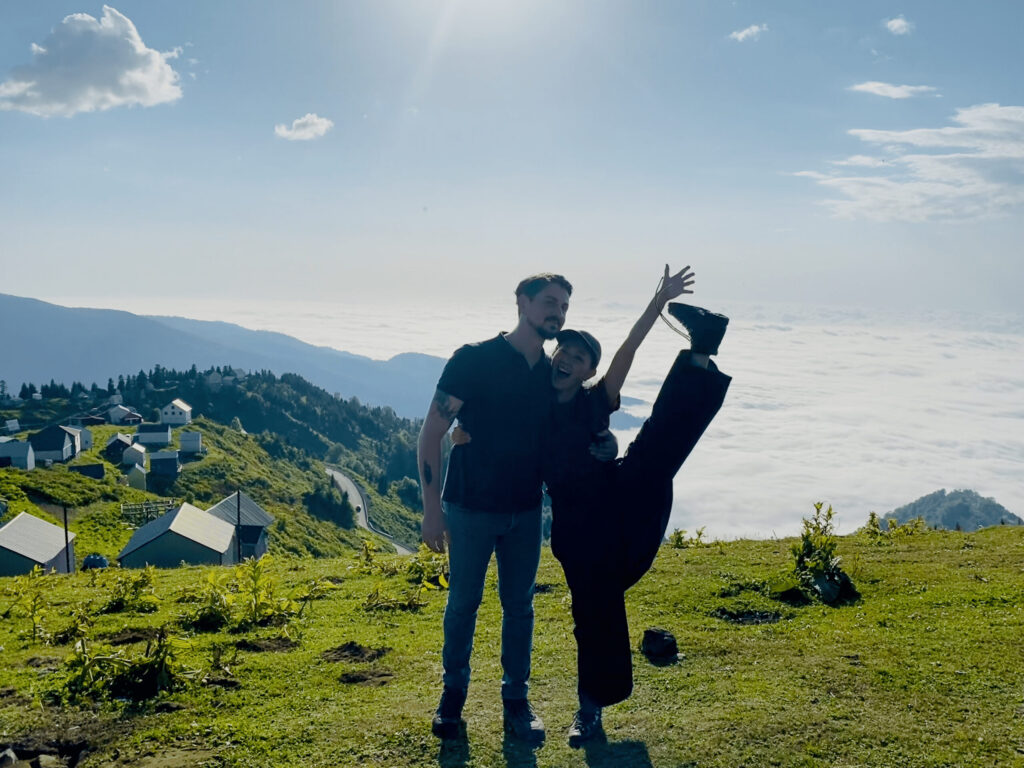
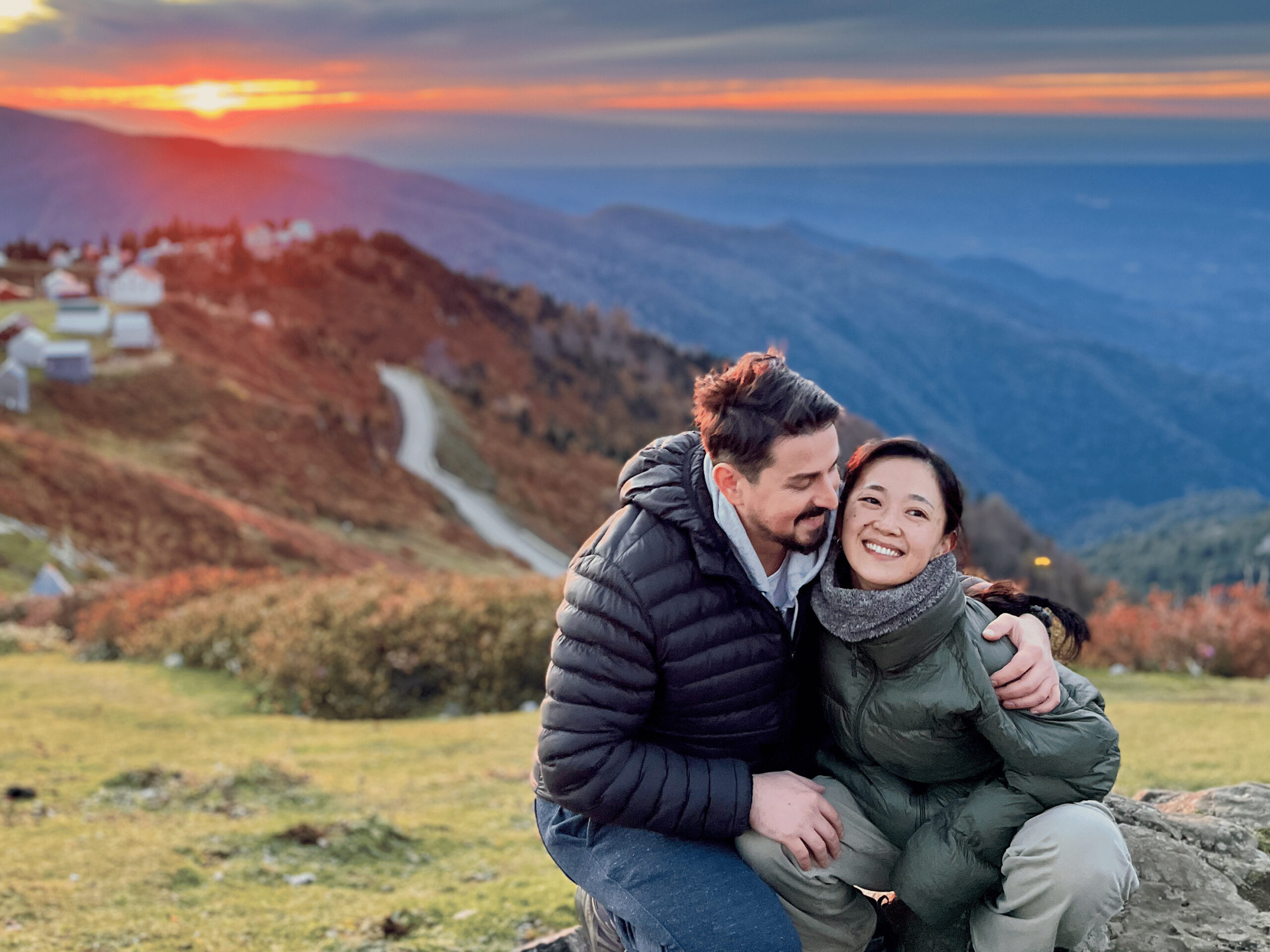
【Profile:Misha Arobelidze san】Misha Arobelidze was born in Ozurgeti in 1989. He studied acting and directing at the faculty in Tbilisi. By profession, he is an actor who worked for a long time in local and co-production projects in various capacities. However, after a certain time, he decided it was time for change and began hitchhiking around the world starting in 2010. He mainly traveled in South America, Europe, and Asia. In South America alone, he traveled over 5,000 kilometers by hitchhiking. In 2018, while traveling from Argentina to Georgia, he met Japanese actress and ballerina Chika Ogi at Doha Airport in Qatar. Following this, they decided to stay in Georgia and start a business. Today, they have a cultural gathering place called CHAMO in Western Georgia, specifically in the Guria region, in the village of Vakijvari.
【Profile:Chika Ogi San】Chika Ogi is an actress and dancer, and also a co-founder of the cultural space CHAMO, located in the village of Vakijvari, Guria. She studied ballet, musicals, and vocals from childhood. At university, she studied the use of art in peace-building processes following conflicts and wars. In 2018, she was fascinated by Rezo Gabriadze’s Marionette Theatre and decided to move to Georgia. In parallel with studying local culture and traditions, she joined the Tbilisi Movement Theatre in 2022, where she participated in performances until 2024. In addition, she is involved in various filming and theatrical projects. In 2019, she co-founded CHAMO in Vakijvari with her husband, Misha. CHAMO’s concept is based on the idea that every person who visits this space should have the opportunity to experience richer and more diverse emotions. It is for this purpose that they are developing this place in the noted direction—as a space where guests can enjoy culture and art amidst nature. Chika’s current goal is to create a space where artists of various genres can collaborate at CHAMO, while also giving the local population the opportunity to see these works.
1. (Chika San) What was your first contact with Georgia?
To be honest, I’m a little embarrassed, but I didn’t know anything about Georgia at all until the 2014 Sochi Olympics. I was watching the opening ceremony of the Olympics on TV, and then the Georgian delegation came out. They were holding a flag, and I thought, “Whose country’s flag is that?” That’s how I first learned that there is a country called Georgia. After that, I watched Rezo Gabriadze’s “Ramona” on YouTube. It was a very short video, about one minute long, but I was so captivated by the movement of the puppets, the scenography, the special effects, and the music that I decided I absolutely had to see this performance live, and in 2018 I came to Georgia for the first time.
The first visit lasted only two weeks, but during this time the locals welcomed me very warmly and genuinely shared their culture and traditions with me. After this experience, I thought that I wanted to get to know Georgia more deeply, learn the Georgian language, and find out more about this culture. Finally, I decided to stay here, got married, and have been living in Georgia for 8 years now.
2. (Misha San) Tell us about the activities you are currently doing with Chika San in Georgia?
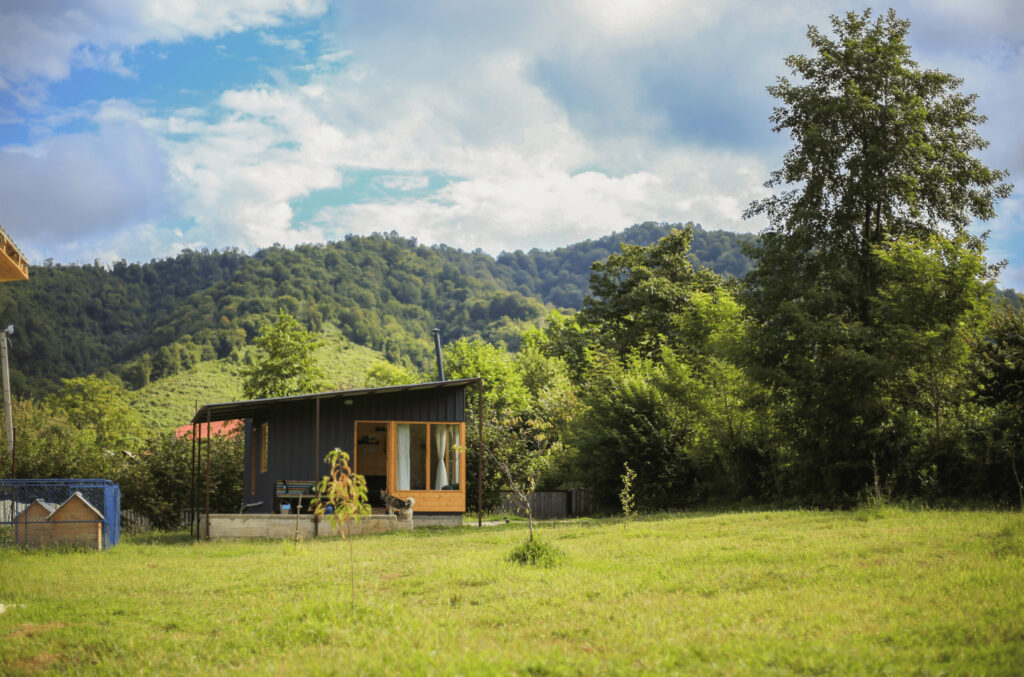
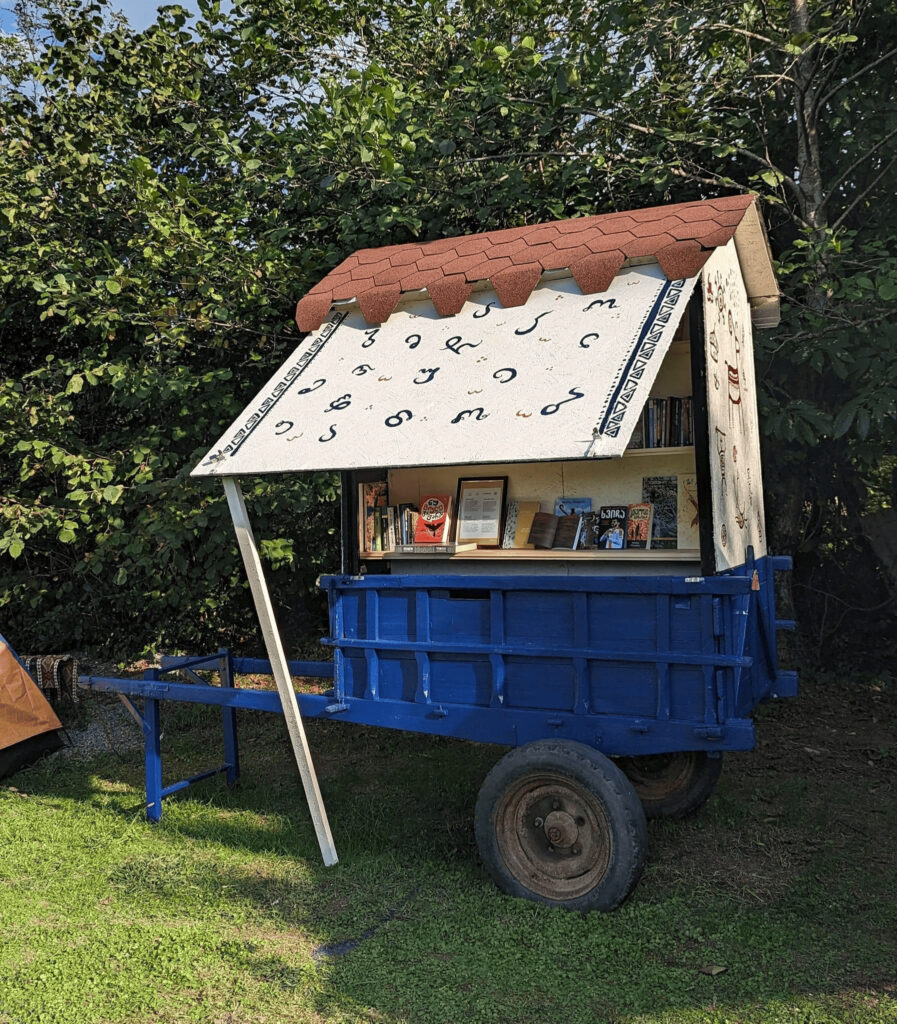
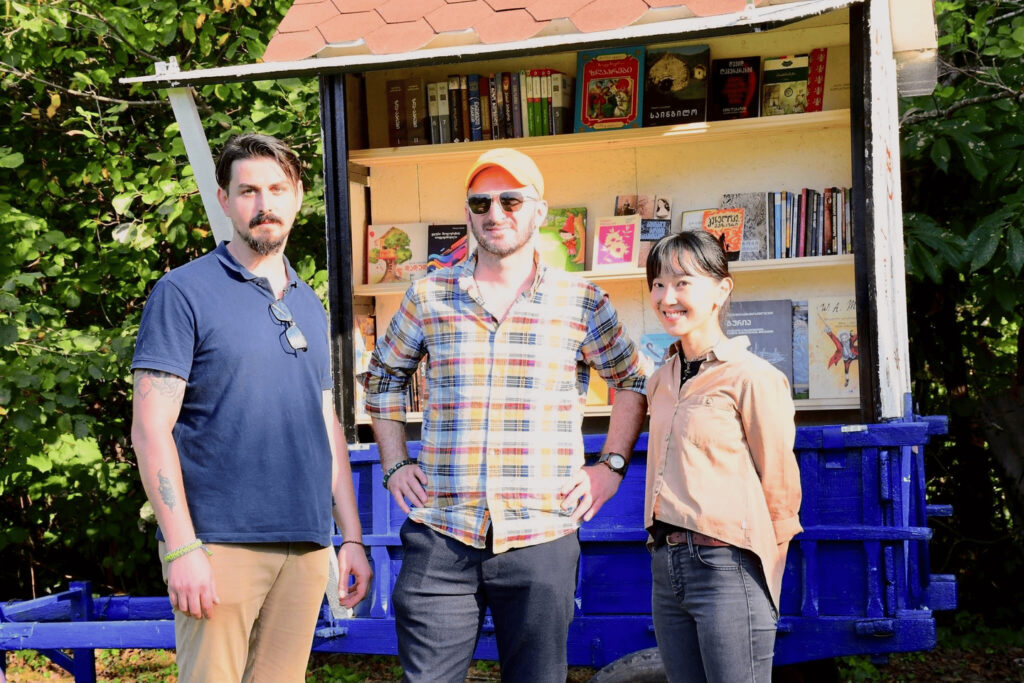
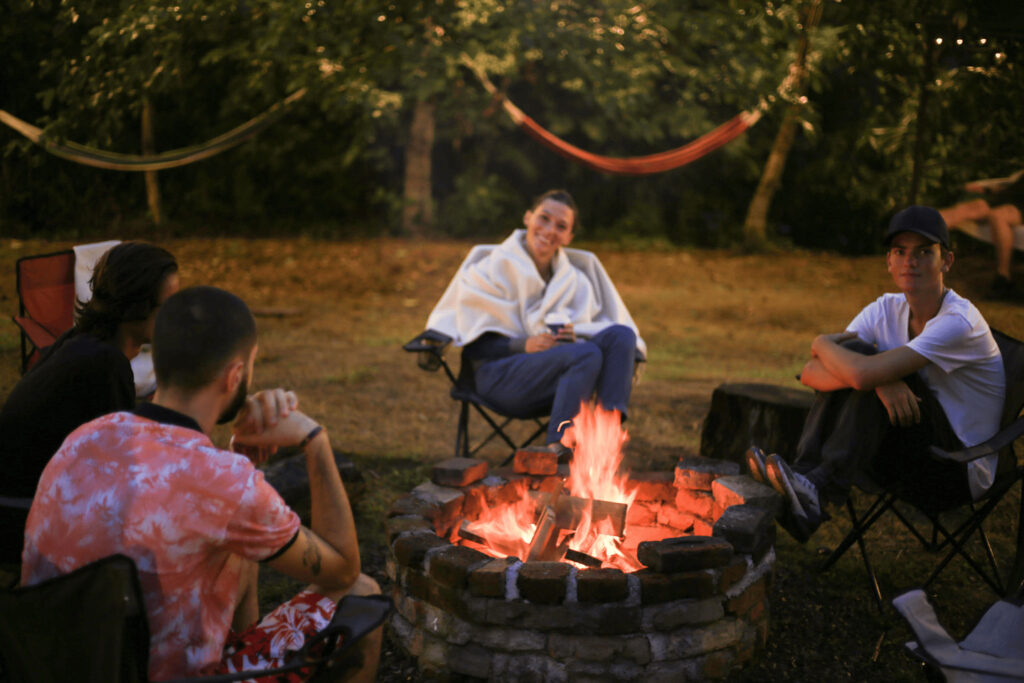
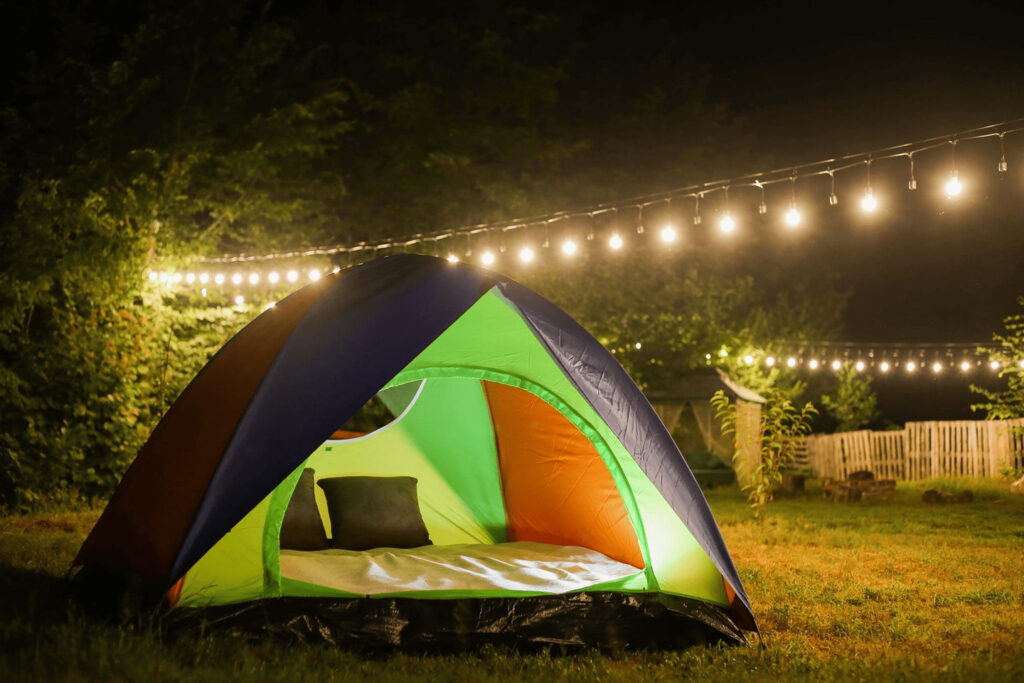
I am engaged in activities with Chika in Guria, specifically in the village of Vakijvari, near the foothills of Bakhmaro mountain, where we have a cultural gathering object called “CHAMO,” which combines many different directions besides camping and glamping. We also do social and educational events here. For the time being, the last social project we implemented was the Cart Library (Urn-Biblioteka). We stocked up on books (mostly donated) because this kind of model is widespread in successful countries around the world, and its goal is to raise the level of literacy and create a discussion space (especially in provinces and villages). Anyone who comes here can receive informal, free education.
Generally, working in this space, in CHAMO, represents a therapeutic part, and we create everything that is close to us. For example, we are about to finish fitting out the Motorhome (I lived in such a microbus for a long time in Brazil during my 8 years of hitchhiking). The only difference is that our microbus will be placed statically in one place, and those who wish will be able to stay. Of course, all conditions will be created for comfortable and safe accommodation. Those who come here can also enjoy the results of our small therapeutic activities. For example, we have ornamental and fruit-bearing gardens. I have brought seedlings of plants from Japan several times that are not found here at all, or are very few. In a word, CHAMO is the place where you can escape the noise and stress of the city and enjoy peace and harmony in the heart of nature.
3. (Chika San) Tell us, what are the similarities and differences between Japan and Georgia?
First of all, I feel that the climate of Japan and Georgia are very similar. That’s why nature is very beautiful in both countries and all four seasons exist, and I think that based on these seasons, we somehow share a love for nature. For example, very detailed expressions related to the seasons are often found in literature, as well as in daily life. Even the culture of dishes prepared using seasonal products. Also, I think that hospitality is important in both cultures. As a result, the understanding, observation, and feeling of a person are very similar. I feel this especially when I talk to friends about Ryunosuke Akutagawa and Kobo Abe. In addition, both countries value tradition and culture. Also, the characteristics of joking among friends are very interesting, and many other things—I often think that the similarity is really noticeable.
On the other hand, there are many differences. For example, the relationships between people in Georgia—in the family or even among friends—are closer and more intimate, and I personally enjoy this very much and feel much safer. And another big difference… people in Georgia drive a little faster and more boldly….
4. (Misha San) How do you see the similarities and differences between Japan and Georgia?
Despite the fact that I do not see many similarities between these two countries, there are certain nuances in which approximately the same values may exist. The first is that hospitality is important in both Georgia and Japan. Both value tradition and culture. And both countries also have very delicious cuisine (if that can be considered a similarity). If we say a couple of words about natural heritage, there is a similarity here too, because both countries are located in the temperate zone, both are beautiful, and even the vegetation is almost identical.
And as for the difference, there are many. So many that I don’t even know where to start. I will briefly give a few examples, otherwise this interview will last a long time. For example, in Japan there are many unwritten rules that are paid great attention to in society. Every Japanese person should know this. However, this goes unnoticed by foreigners, of course, and they do not have information about it, and therefore it does not bother them. In Georgia, it is very simple in this regard, but what can I say about other aspects. Also, Japan is a very orderly country, the most orderly I have ever been to, and believe me, I have been to many places. Georgia, on the contrary, is very chaotic. In most cases, this causes negative processes, but there is a context (very rare, but still) where chaos may be better than a 100% orderly environment, operating like a factory.
5. (Both) What kind of activities are you planning between Japan and Georgia in the future?
Generally speaking, if we look at it too idealistically, I have a desire to gradually implement the level of development that exists elsewhere, but in this case specifically in Japan, in certain directions, in Georgia as well. Mostly, of course, within my power. However, all this is a very long process in time. But, as I already said, this is an overly idealistic approach, and to return to reality, one of the biggest desires we have for this stage is that, after we finish the construction at CHAMO where artists will be able to gather (the process is already underway), we want to invite Japanese (and not only) artists to us. They will create a direct working process here for a certain period of time, and local young people will also participate in this. And this, of course, will be a great source of knowledge for them.
CHAMO Instagram Account — Chamo • ჩამო (@chamocamp)