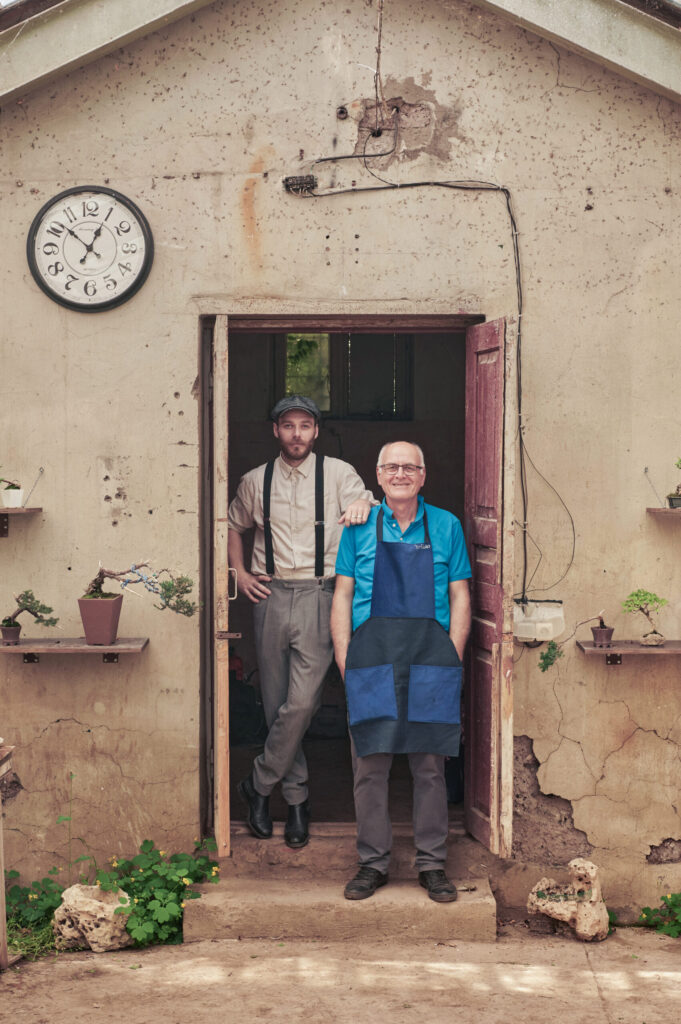
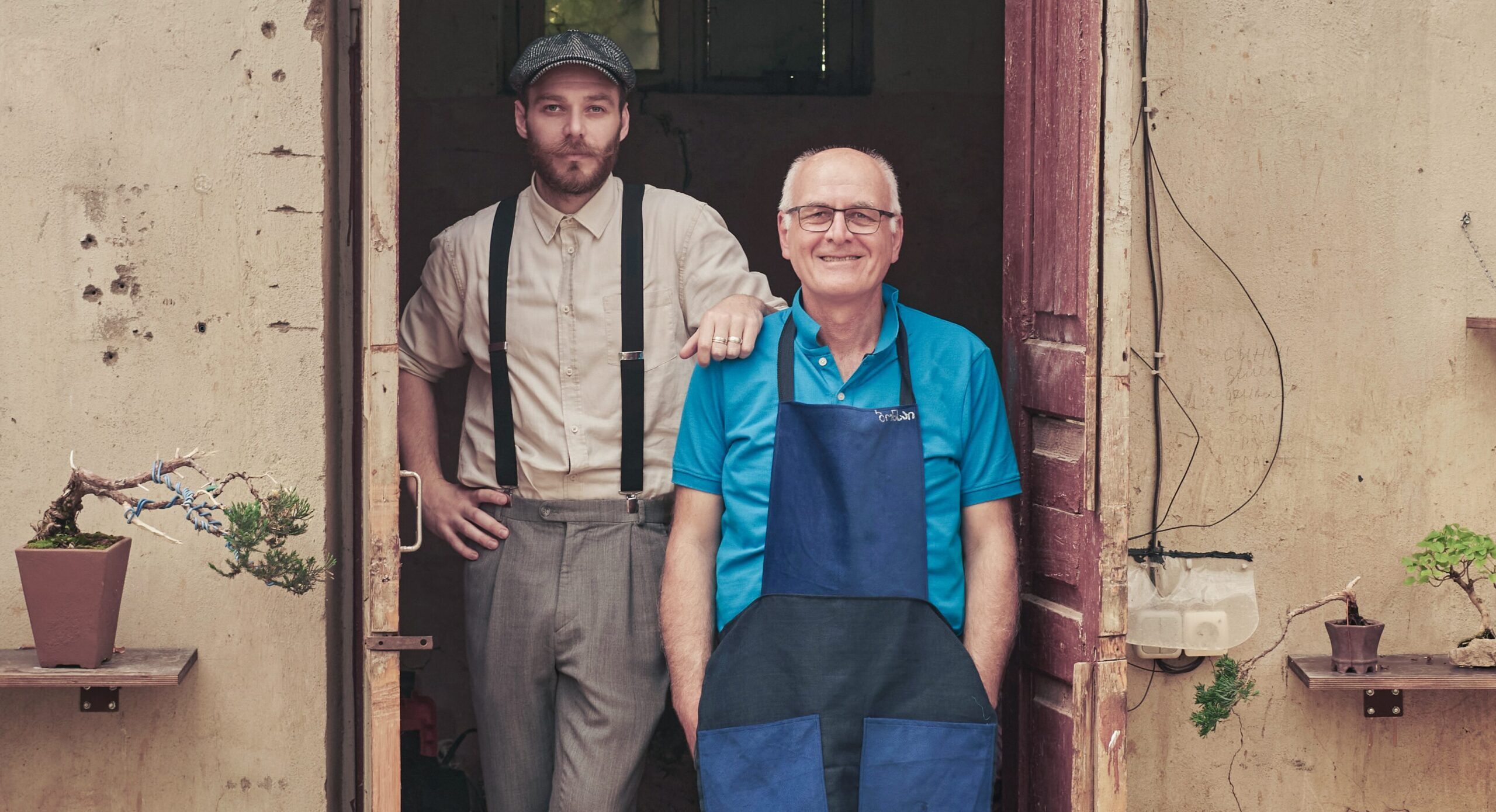
【Profile】 Aleksandre Meskhi san has been creating bonsai since 1990. Today, together with his son Nikoloz, he is actively engaged in promoting this Japanese art in Georgia. The exhibition and educational space they have established combines Aleksandre’s long-standing collection with an educational platform. Here, any visitor has the opportunity to view the works, while those interested can learn this living art through courses.
1.Alenxander san, what first introduced you to bonsai, and what impression did you have of it at that time?
When I was about 13 or 14 years old, I saw a television program about bonsai for the very first time. For some reason, from that moment on, bonsai stayed deep in my heart. Around 1990, I read my first book on bonsai in Russian, written by an Indian author. It wasn’t exactly a specialized textbook, but since there was almost no information available about bonsai at the time, it was very helpful. After that, I started going to the library regularly to study bonsai on my own. Later, as the internet became more widespread in Georgia, I had more opportunities to learn about bonsai.
At that time, I was working in another field, but when I turned 26, I began growing bonsai for the first time. However, the first ten years were full of failures. The environment for cultivating bonsai wasn’t well-prepared, and the pots I used weren’t proper bonsai containers, so the trees often didn’t grow well.
Even so, I have continued to spend my days caring for bonsai after work, every single day up until now.
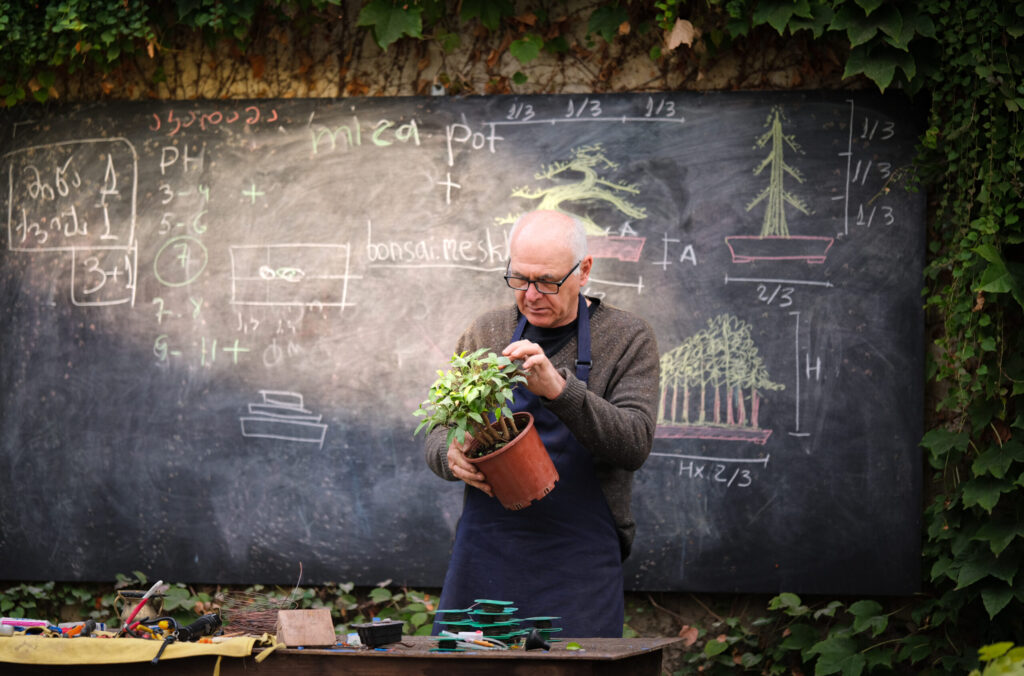
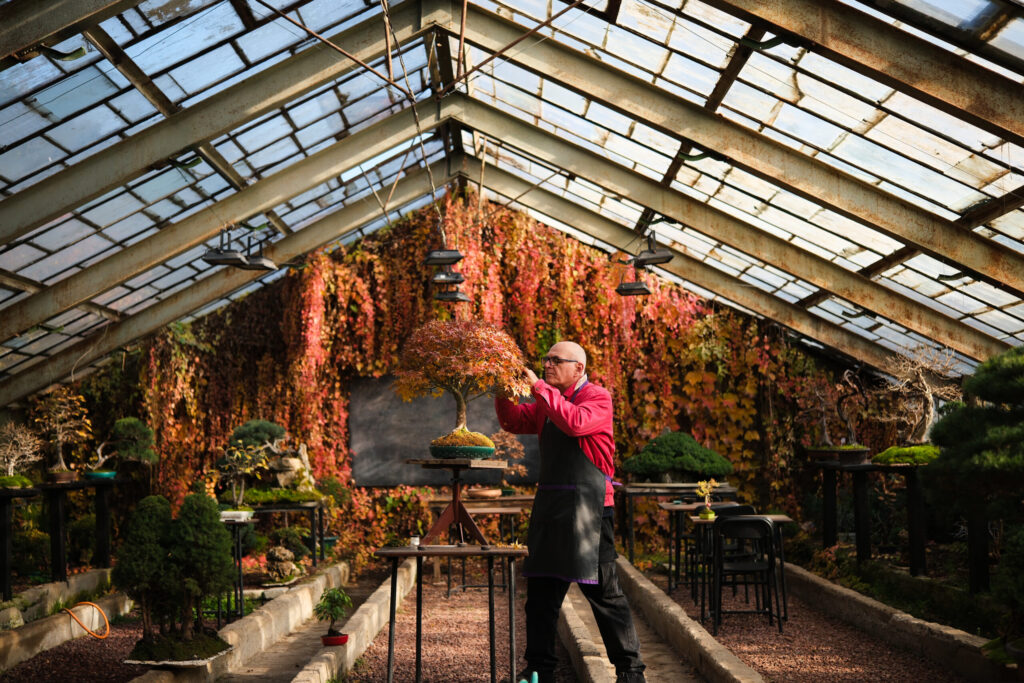
2.Alenxander san, you have been cultivating bonsai in Tbilisi for many years. What is the most memorable experience for you during that time?
When I grow bonsai, I often realize something: even if I think a tree looks perfect at one moment, when I look back later, I see that it was still immature. A bonsai that I nurtured for many years may seem like a masterpiece at the time, but as the years pass, my perspective changes, and I find myself wanting to aim even higher. In a sense, bonsai has no end.
I’ve heard that even Masahiko Kimura, a bonsai artist known worldwide, spent many years refining his famous work “The Dance of the Rising Dragon” until he was truly satisfied with its form.
In my own practice, I also set goals for my bonsai. Yet once I achieve one goal, a new one always emerges, and I move forward again. This process continues endlessly.
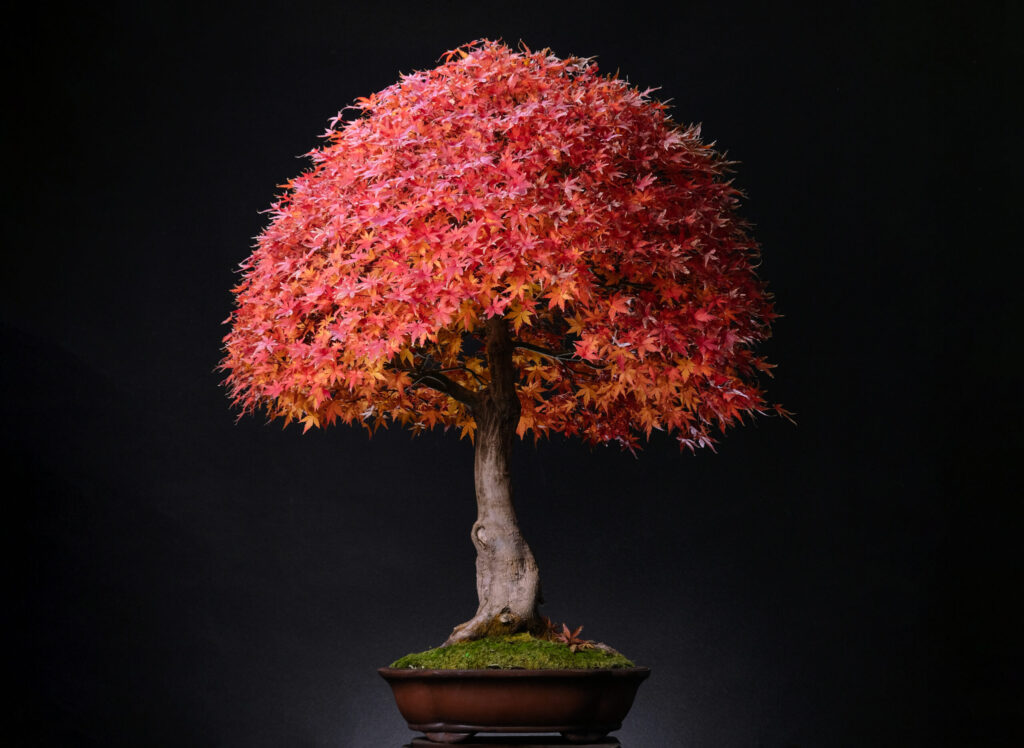
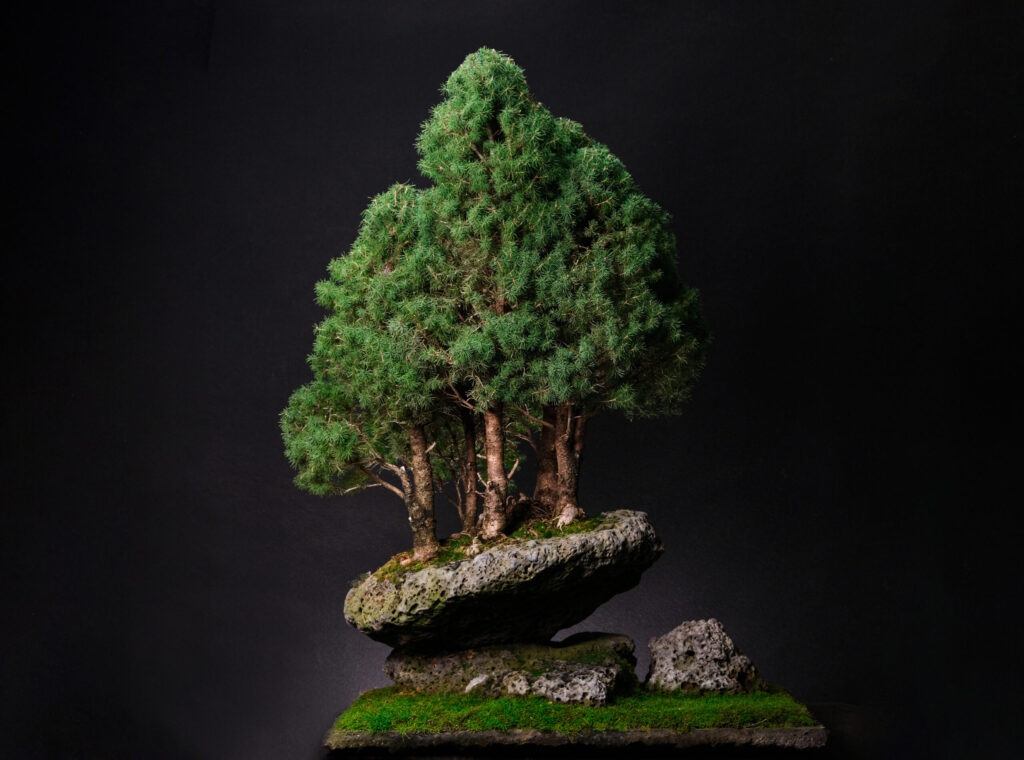
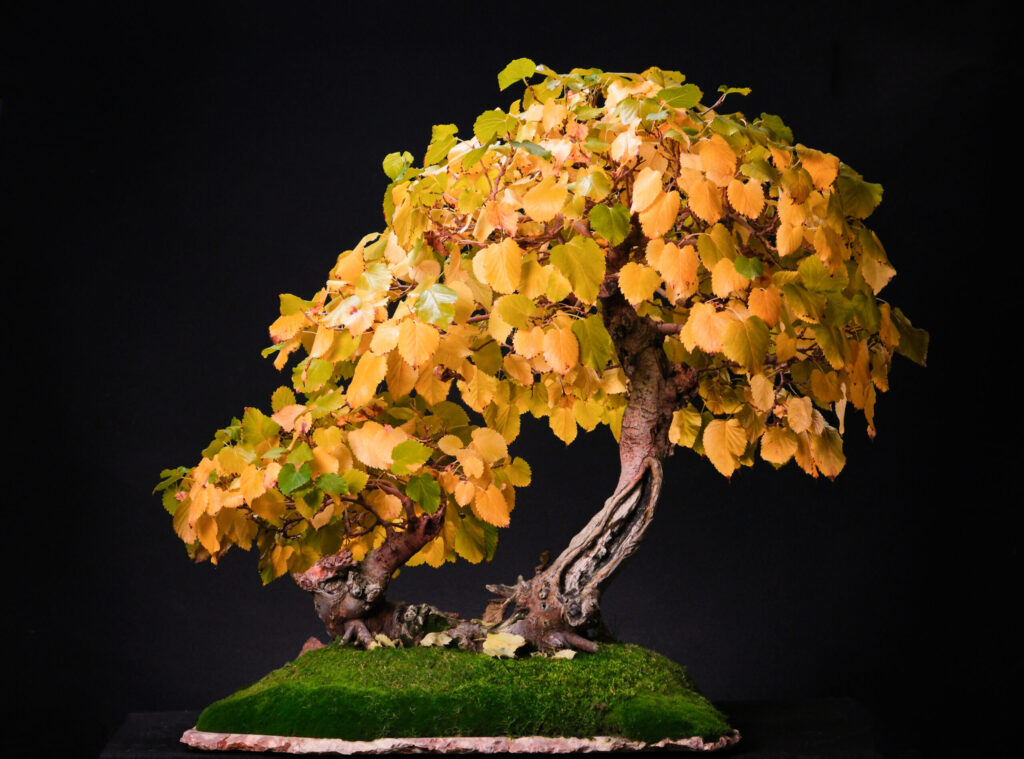
3.Nikoloz san, you mainly promote bonsai through photos and videos on social media. In spreading this aspect of Japanese culture in Georgia, what has been particularly important for you?
When photographing bonsai, what I value most is creating images that can serve as educational content about bonsai. In Georgia, not many people are familiar with bonsai. Of course, there is information available on the internet, but I want to spread accurate knowledge through my own photos and videos.
After returning to Georgia from my studies in Scotland, I began photographing bonsai with a camera—this was around 2018. At that time, I didn’t have my own camera or a studio. Photography requires knowledge of technique and lighting, but back then I knew very little about such things. However, by taking pictures of my father’s bonsai, I gradually gained experience. I also discovered that I truly enjoyed photographing bonsai, and visiting the bonsai garden became something I always looked forward to.
Over time, as I continued photographing bonsai, my skills improved. Nowadays, I even receive corporate PR projects outside of bonsai photography. In a way, bonsai became the starting point of my career path.
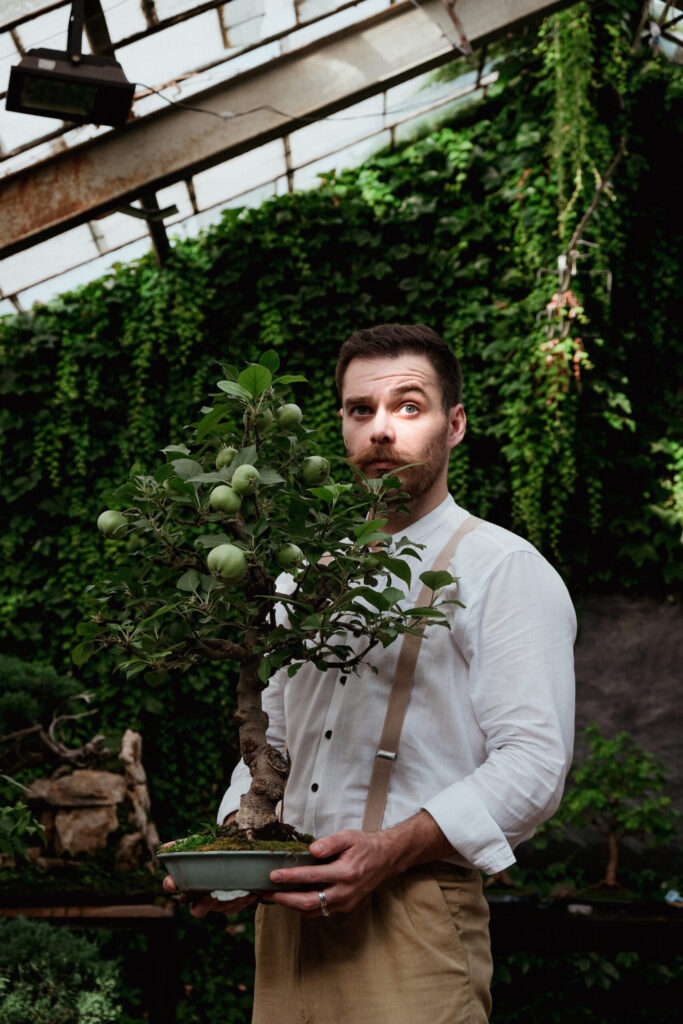
4.What activities do you plan to carry out with bonsai in Tbilisi in the future? What do you think is necessary to further spread bonsai in Georgia?
(Alexander san) I want to continue cultivating new bonsai. Ideas keep coming to me one after another. Saturdays, Sundays, even holidays like New Year’s—I find myself always thinking about bonsai. Honestly, I don’t even know why I love bonsai so much, but I do. I want to keep growing better bonsai in the future. Since caring for bonsai takes a lot of time, especially in spring and summer, I am also considering inviting assistants to help with the work.
(Nikoloz san) I want to dedicate more time to bonsai in order to spread it in Georgia. I am also thinking about finding a larger space for bonsai cultivation. My father once wrote a book about bonsai. Although it only exists in digital form, I believe there are readers who would like to hold a printed copy in their hands. That’s why I want to publish it in print and share it with more people.
Since 2021, I have been giving bonsai lessons to those interested. While the internet provides information, I wanted to create opportunities for people to learn directly through classes.
I also hope to expand bonsai education further. For example, many people who purchase bonsai from us keep them at home, but they often don’t know how to care for them properly or where to place them to highlight their beauty. I want to spread this kind of practical bonsai education in Georgia.
5.For both of you, what does bonsai mean?
(Alexander san) Six years ago, I left the other work I had been doing and decided to focus entirely on bonsai. What once began as a hobby has now become something like my profession. I have always preferred quiet places and quiet times, and bonsai, to me, is the very embodiment of “quiet.”
(Nikoloz san) In truth, I don’t know how to cultivate bonsai myself. Growing bonsai requires constant care, but unlike my father, I enjoy traveling to different places.
Even so, I feel that bonsai is a part of me. My friends associate me with bonsai whenever they talk about me, and it was through bonsai that I found the path to my current work.
Alexander Meskhi san &Nikoloz Meskhi san’s instagram Account